This article has been medically reviewed by doctors to ensure it provides accurate, reliable, and up-to-date health information. We only use credible sources to support our content.
After an ice bath, get out slowly, dry yourself, put on warm layers and allow your body to rewarm gradually. Keep moving gently, drink fluids and wait until normal sensation and coordination return before driving, training or taking a very hot shower.
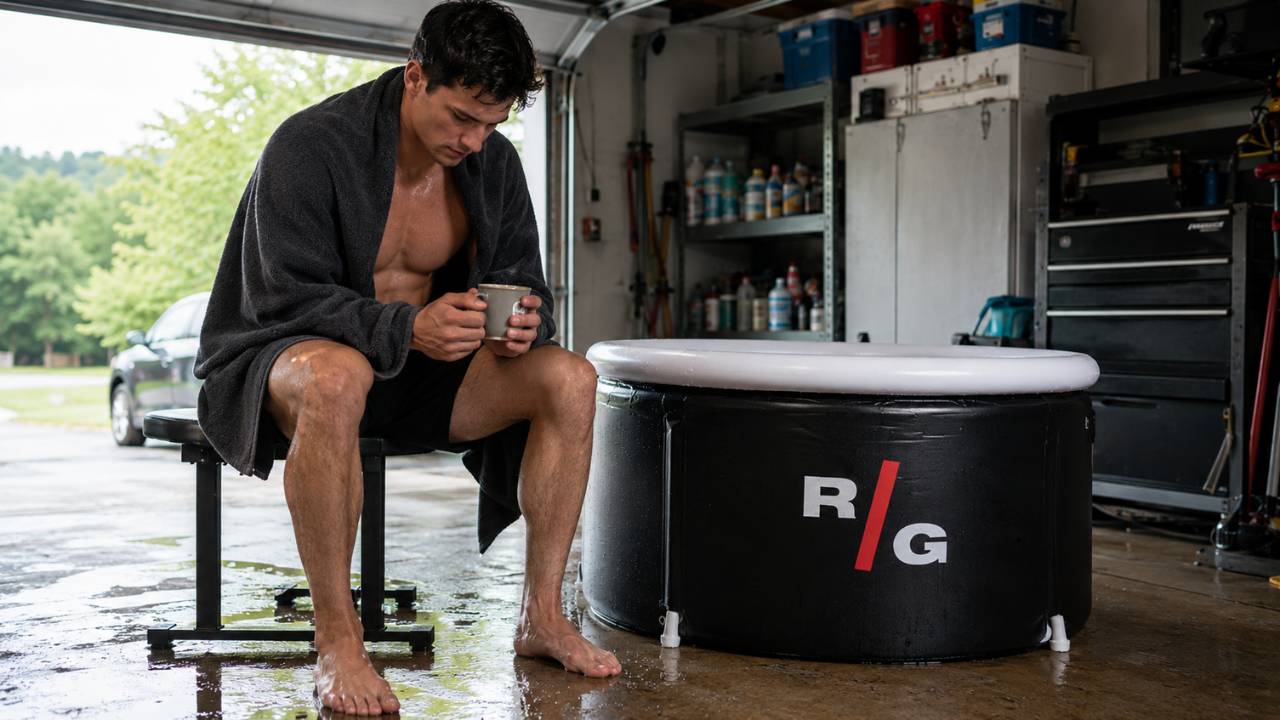
The minutes after a plunge are part of the session. Cold skin and reduced blood flow do not disappear the moment you leave the water. A simple rewarming routine can make the experience more comfortable and help you notice when your exposure was too much.
What Should You Do Immediately After an Ice Bath?
Use a calm sequence rather than rushing from one extreme to another:
- hold the side of the tub and stand up slowly
- step onto a dry, non-slip surface
- towel off completely, including your hair if it is wet
- put on dry socks, warm clothes and a beanie if needed
- move to a sheltered, warm area
- walk gently or perform easy bodyweight movements
- monitor your breathing, balance and mental clarity
Cold water can make your feet and hands less sensitive, so take extra care on wet surfaces. If you feel dizzy, sit or lie down safely and ask someone to stay with you.
The risk begins during entry, not only after you get out. Review whether ice baths are dangerous if you are new to cold immersion or have a health condition.
Should You Warm Up Slowly After an Ice Bath?
Yes. Gradual rewarming is appropriate after a normal, controlled recreational ice bath.
Your skin may start to feel warmer quite quickly, while deeper tissues remain cool. In more substantial cold exposure, core temperature can continue to fall briefly after leaving the water. This is known as afterdrop. It is more relevant after prolonged or severe cooling, but it is a useful reminder not to judge recovery by skin sensation alone.
Dry layers, a warm room and gentle movement are usually enough after a short plunge. Vigorous exercise is not necessary. If you are shivering strongly, unsteady or confused, treat that as a warning sign rather than something to push through.
Can You Take a Hot Shower After an Ice Bath?
You can take a warm shower once you feel steady and normal sensation has returned. Avoid stepping straight into scalding water while your skin is numb.
Very hot water can feel uncomfortable as circulation changes, and reduced sensation makes it harder to judge temperature. Start lukewarm and increase the heat gradually.
If your goal is deliberate cold exposure rather than rapid warming, you may choose to let your body rewarm on its own. There is no need to stay cold for as long as possible. Persistent shivering is not proof of a better session.
Should You Exercise After an Ice Bath?
Light movement can help you warm up, but wait before starting hard exercise. Cold muscles, stiff joints and numb feet are a poor combination for sprinting, lifting or technical work.
Walk indoors, perform a few relaxed squats or move your arms through a comfortable range. Stop if you feel dizzy or your coordination is not normal.
If the ice bath followed a workout, your main job is recovery. If you plan to use cold before training, the timing and warm-up require more care. Our guide to whether you should cold plunge before or after a workout explains the trade-offs.
What Should You Drink After an Ice Bath?
Drink water according to thirst, especially if the plunge followed exercise or hot conditions. Cold immersion can make you feel less hot without replacing the fluid lost during training.
An electrolyte drink may be useful after long, sweaty sessions, but it is not required after every plunge. Your wider training load, climate and sweat loss matter more than the ice bath itself.
A warm, non-alcoholic drink can be comfortable while you rewarm. Avoid using alcohol to feel warmer. Alcohol can affect judgement, circulation and temperature regulation, and it should not be combined with deliberate cold exposure.
What Should You Eat After an Ice Bath?
You do not need a special post-ice-bath meal. If the plunge followed exercise, eat the meal or snack that supports your normal recovery plan.
Protein supports muscle repair, while carbohydrate helps replace fuel after demanding training. A practical option might be yoghurt and fruit, eggs on toast or a balanced meal with protein, carbohydrate and vegetables.
The timing of your nutrition should follow the workout, not the cold. An ice bath does not replace food, sleep or appropriate training volume.
Can You Use a Sauna After an Ice Bath?
Wait until you feel stable, alert and normally warm before adding heat. Moving immediately from very cold water to a hot sauna creates another strong cardiovascular and thermal change.
Experienced users sometimes practise contrast therapy, but more intensity is not automatically better for recovery. If you are lightheaded, still shivering or have reduced sensation, skip the sauna. People with heart, blood pressure or circulation concerns should get medical advice before combining hot and cold exposure.
How Long Should It Take to Feel Warm Again?
After a short, controlled session, you should begin feeling more comfortable within minutes, although hands and feet may take longer. The exact time depends on water temperature, duration, body size, clothing and the surrounding environment.
If you regularly need a long time to stop shivering, the dose is probably too high. Raise the temperature, shorten the immersion or reduce how often you plunge. The recommendations in our ice bath temperature and time guide can help you reset the session.
What Should You Avoid After an Ice Bath?
Avoid these common post-plunge errors:
- standing suddenly when you feel lightheaded
- walking barefoot on wet or slippery ground
- driving while numb, shaky or distracted
- using scalding water on cold skin
- beginning intense exercise before coordination returns
- drinking alcohol to warm up
- staying in wet clothes
- treating prolonged shivering as a target
Many problems start with an exposure that was too cold or too long. Our list of cold plunge mistakes can help you adjust the full routine, not just the rewarming stage.
When Should You Get Medical Help?
Seek urgent help if you or another person develops confusion, slurred speech, severe drowsiness, loss of coordination, chest pain, fainting, blue or very pale skin, or breathing that remains difficult after leaving the water.
Do not leave an affected person alone. Move them to shelter, remove wet clothing, add dry insulation and contact emergency services. Severe symptoms after cold exposure are not something to manage with willpower or another round of heat and cold.
Conclusion
After an ice bath, dry off, dress warmly and let your body rewarm at a steady pace. Gentle movement, fluids and a normal recovery meal are usually all you need.
Wait for normal sensation, balance and clear thinking before driving, training or using strong heat. If shivering is prolonged or symptoms feel unusual, treat that as feedback that the session was too demanding.
References
Castellani, J. W., & Young, A. J. (2016). Human physiological responses to cold exposure: Acute responses and acclimatization to prolonged exposure. Autonomic Neuroscience, 196, 63–74. https://doi.org/10.1016/j.autneu.2016.02.009
Romet, T. T. (1988). Mechanism of afterdrop after cold water immersion. Journal of Applied Physiology, 65, 1535–1538. https://doi.org/10.1152/jappl.1988.65.4.1535
Tipton, M. J., Collier, N., Massey, H., Corbett, J., & Harper, M. (2017). Cold water immersion: Kill or cure? Experimental Physiology, 102, 1335–1355. https://doi.org/10.1113/EP086283