This article has been medically reviewed by doctors to ensure it provides accurate, reliable, and up-to-date health information. We only use credible sources to support our content.
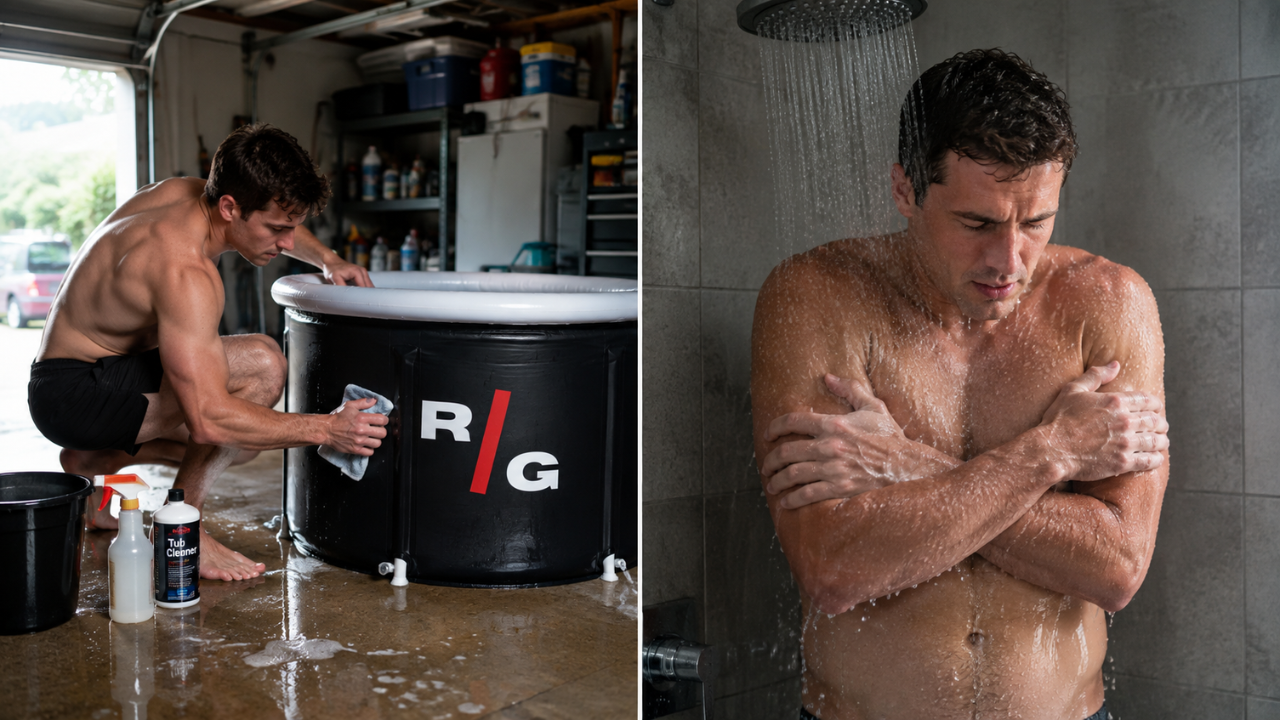
An ice bath is generally better when you want a strong, repeatable whole-body cooling method after hard exercise. A cold shower is better when you want a quick, low-cost habit with less setup.
Both expose the body to cold water, but they do not deliver the same dose. Immersion surrounds a large part of the body and removes heat efficiently. A shower hits a smaller, changing area and is usually easier to step away from.
The best option depends on your goal. If you are choosing between them for the first time, start with the method you can use safely and consistently.
Is an Ice Bath Better Than a Cold Shower?
For post-exercise recovery, an ice bath has the stronger research base. Studies on cold-water immersion suggest it can reduce muscle soreness and improve perceived recovery after strenuous exercise. There is much less research showing that a cold shower produces the same recovery effect.
That does not make showers useless. They are accessible, quick and easy to fit around work or training. A shower can also help you practise calm breathing under mild cold stress before trying immersion.
Our overview of cold showers covers the habit in more detail. The important point is to avoid treating a shower and an ice bath as interchangeable simply because both feel cold.
What Is the Main Difference Between a Cold Shower and an Ice Bath?
The main difference is how much of your body is exposed and how consistently the water contacts your skin.
In an ice bath, your legs and torso are surrounded by cold water at the same time. Water movement may be limited, but the contact is continuous. In a shower, water strikes one area and runs away while other areas remain exposed to warmer air.
This makes immersion a more powerful cooling method at the same water temperature. It also means an ice bath creates a stronger initial cold response and requires more care.
An ice bath offers:
- more consistent whole-body exposure
- easier control of the recorded water temperature
- a stronger option for post-exercise cooling
- more setup, water care and storage requirements
A cold shower offers:
- immediate access in most homes
- minimal equipment and no tub maintenance
- a gentler introduction to deliberate cold exposure
- less consistent temperature and body coverage
Which Is Better for Muscle Soreness?
Cold-water immersion is the better-supported choice for muscle soreness after demanding exercise. Reviews have found that controlled immersion can reduce delayed-onset muscle soreness compared with passive recovery.
The effect is not a cure for muscle damage, and it does not replace sleep, food, hydration or sensible programming. It may simply help you feel less sore and more prepared for another effort.
A cold shower may feel refreshing after training, but direct evidence for reducing exercise-related soreness is limited. If soreness is your main reason for using cold, the broader evidence behind cold plunge benefits is more relevant than claims made about cold showers.
Which One Gets Colder?
Either can use cold water, but an ice bath gives you better control over the dose. You can measure the water with a thermometer and keep the exposure consistent from session to session.
Shower temperature varies by plumbing, season and location. The coldest tap setting in a Queensland summer may feel very different from the same setting in a Victorian winter. You also cannot assume that a shower dial represents an exact temperature.
You do not need near-freezing water for an effective ice bath. A moderate, repeatable session is usually more useful than chasing the lowest number. Use our ice bath temperature and time guide to set a controlled starting point.
Which Is Easier for Beginners?
A cold shower is usually easier for beginners. You can begin with warm water, lower the temperature gradually and finish with a short cold period. You remain standing and can stop immediately.
An ice bath requires more preparation. The cold response can feel intense because a large area of skin is exposed at once. Enter slowly, keep your head out of the water and focus on a long, controlled exhale rather than breath-holding.
Beginners should never turn the first session into a test of toughness. Start cool and short. Build familiarity before lowering the temperature or extending the time.
Which Costs Less?
A cold shower costs less and takes up no extra room. It uses household plumbing and does not require ice, a tub, a chiller or ongoing water treatment.
An ice bath can range from a simple portable tub filled with tap water and ice to a permanent setup with filtration and a chiller. The upfront and ongoing costs are higher, but the temperature is easier to control and the tub is ready for a more consistent recovery routine.
If you only want occasional cold exposure, a shower is the practical winner. If several serious training sessions each week make controlled immersion useful, an ice bath may justify the extra effort.
Are Ice Baths or Cold Showers Safer?
A cold shower is generally easier to exit and exposes less of the body at once, but it is not risk-free. Sudden cold can increase breathing, heart rate and blood pressure with either method.
Ice baths demand more caution because immersion can create a strong cold-shock response. Do not plunge alone when you are inexperienced. Avoid alcohol, keep electrical equipment safely isolated and get out if you feel faint, confused, numb or unable to control your breathing.
People with heart, blood pressure, circulation or respiratory conditions should seek medical advice before deliberate cold exposure. Our guide to whether ice baths are dangerous explains the main risk factors.
Can You Use Both?
Yes. A cold shower can be your convenient daily option, while an ice bath is reserved for selected recovery days. You might use immersion after a tournament or a hard conditioning session and choose a short cold shower when time is limited.
Using both does not mean you need more total cold exposure. Match the method to the day and keep the dose proportionate to the goal.
Conclusion
Choose an ice bath when controlled whole-body cooling and post-exercise recovery are the priority. Choose a cold shower when convenience, cost and a gentler entry point matter more.
Neither method needs to be extreme. A short, repeatable routine that fits your training is more useful than an uncomfortable protocol you cannot sustain.
References
Buijze, G. A., Sierevelt, I. N., van der Heijden, B. C. J. M., Dijkgraaf, M. G., & Frings-Dresen, M. H. W. (2016). The effect of cold showering on health and work: A randomized controlled trial. PLOS ONE, 11, e0161749. https://doi.org/10.1371/journal.pone.0161749
Machado, A. F., Ferreira, P. H., Micheletti, J. K., de Almeida, A. C., Lemes, Í. R., Vanderlei, F. M., Netto Junior, J., & Pastre, C. M. (2016). Can water temperature and immersion time influence the effect of cold water immersion on muscle soreness? A systematic review and meta-analysis. Sports Medicine, 46, 503–514. https://doi.org/10.1007/s40279-015-0431-7
Tipton, M. J., Collier, N., Massey, H., Corbett, J., & Harper, M. (2017). Cold water immersion: Kill or cure? Experimental Physiology, 102, 1335–1355. https://doi.org/10.1113/EP086283