We include links to products we think are useful for our readers. If you click and buy a product through one of the affiliate links on this page, we may earn a small commission. Please read our disclosure.
The Novaa Back Pad makes the most sense for someone who wants a hands-free device focused on the lower back. Its combination of light, warmth and vibration is appealing, but I’d buy it for the convenience of that format, with realistic expectations about pain relief.
The main question is whether those features suit the way you’ll actually use it. If you only want warmth while sitting on the couch, a simpler heat pad may meet your needs for less.
Quick Answer
The Novaa Back Pad makes the most sense for people who want a wearable device designed specifically for regular lower-back sessions.
- Best for regular lower-back sessions: Its cordless wrap combines light, warmth and vibration in one wearable device.
- Consider a general-purpose pad for greater flexibility: It will usually be easier to reposition across the shoulders, thighs, knees and other areas.
- Check the fit before ordering: A back-specific wrap is only useful if it sits comfortably and keeps the treatment area in the intended position.
- Review the temperature controls: Confirm the available heat settings and whether they suit your preferred session.
- Confirm Australian charging compatibility: Check which battery, charger and plug type are included with your selected package.
- Keep expectations realistic: The benefits of this exact model remain unverified, so it should not replace appropriate medical assessment or treatment.
What does the Novaa Back Pad offer?
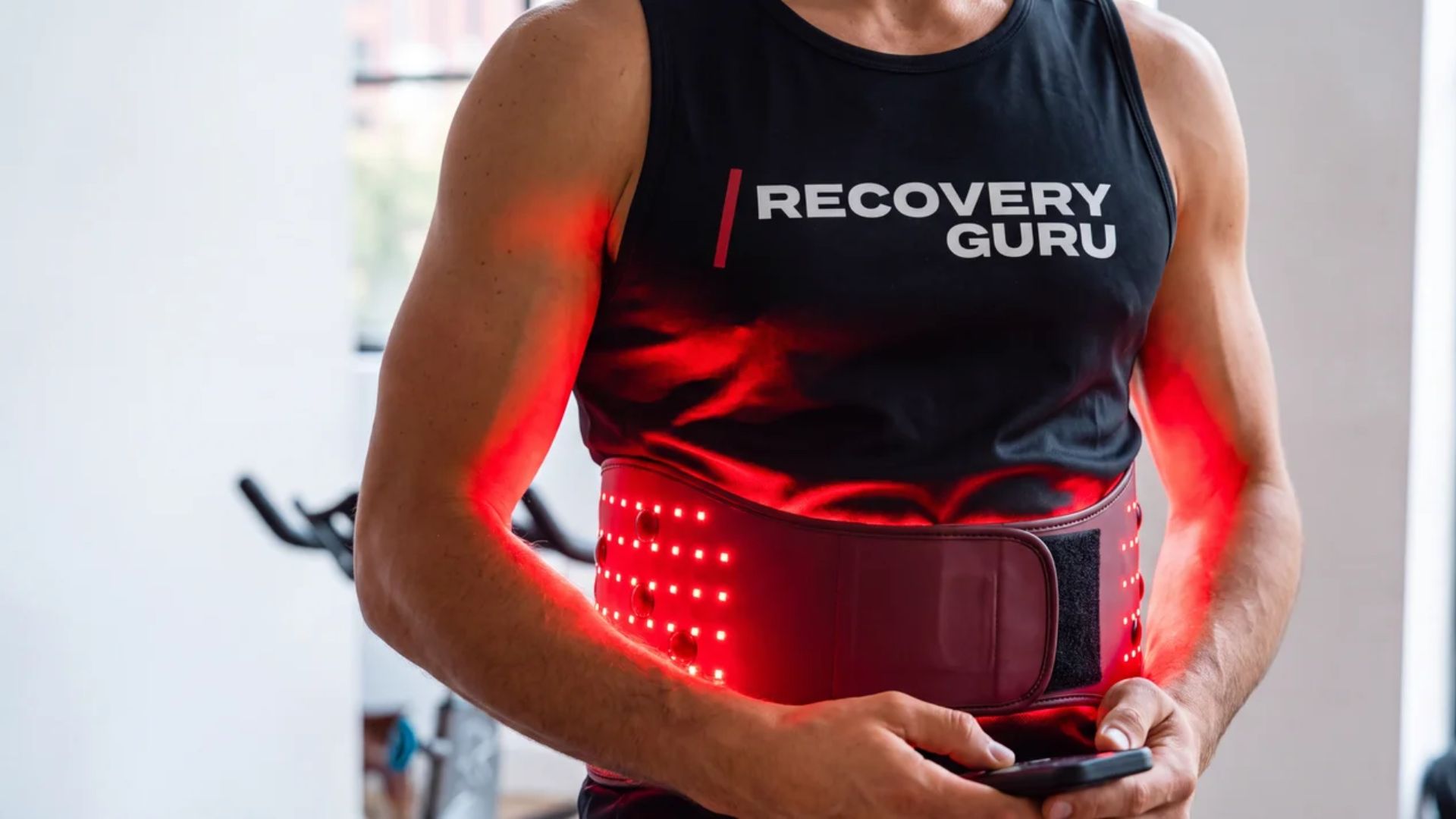
The manufacturer’s specification lists 80 LEDs using 660 nm red and 850 nm near-infrared light, alongside eight vibration points. It measures roughly 129 × 30 cm overall and weighs about 560 g. Those dimensions describe the wrap, so don’t assume the entire surface lights up.
The rechargeable design is the feature I find most useful on paper. A handheld device asks you to keep reaching around your back. A wrap can hold its position while you sit and read.
NovaaLab’s instructions mention a 20-minute session, although another section refers to 15 minutes. Follow the manual supplied with the exact model and ask support to clarify any mismatch. I’d also want confirmation of the temperature range and whether heat and vibration can be switched off independently.
Check the Novaa Back Pad’s current price.
The two wavelengths describe the light being emitted, not a promised depth of treatment. Red light is visible; near-infrared light isn’t. Seeing a bright red glow therefore tells you very little about the near-infrared output or how much light reaches a particular structure in your back.
The same caution applies to LED count. Eighty LEDs might be arranged across a useful lumbar area, but the number alone doesn’t establish even coverage. I’d give more weight to a clear diagram of the illuminated section than to the belt’s overall length.
That matters if your discomfort sits high on one side or spreads across the hips. A belt can fasten successfully while the active section still misses the area you intended to cover. Measure where you want the light to sit before deciding that the wrap’s dimensions suit you.
Is it more practical than a standard light pad?
Potentially, if your lower back is the only area you want to cover.
With a general-purpose pad, you may spend time positioning it and adjusting the straps. A back-specific wrap is easier to justify when that is where every session will happen. If you want to alternate between your shoulder, thigh and knee, flexibility matters more.
Our existing Novaa Light Pad article covers the standard pad. That is a useful comparison before choosing a specialised shape.
There are trade-offs. A wide belt may bunch up when seated, and carrying a battery adds another thing to charge.
For a shared household device, the general pad also has an advantage: different people can position it on different areas. The Back Pad becomes a better fit when it has one regular user and a fairly consistent purpose. Its specialisation is useful only if that matches your routine.
What would an everyday session look like?
I’d set it up in the chair where I actually plan to use it, with the backrest and clothing I’d normally have there. A wrap that feels comfortable standing up may sit differently once you lean back. The aim is secure placement without having to keep pulling it down or loosening it.
The controls deserve attention here. Can you reach them easily? Can you read the selected setting without twisting? If you mainly want a quiet evening session, the vibration function’s noise and feel matter more than the number of modes. Those are the first things I would assess in a hands-on test.
NovaaLab advertises around five sessions from a charge. Treat that as an estimate tied to the brand’s test conditions; running several functions together may not reproduce the advertised figure. A convenient place to recharge it will matter more over months of ownership than it does on the first day.
A timer also doesn’t turn it into an overnight product. Plan a deliberate session within the supplied instructions, then remove and store it. That keeps the routine manageable and gives you an opportunity to check how your skin responds.
How would I judge whether it earns its place?
I’d keep a simple record of comfort, the settings used and one relevant everyday activity, such as sitting through dinner. That is more informative than remembering that the first session felt pleasant.
Keep the interpretation modest, though. Back symptoms can fluctuate, and changes in exercise, medication, sleep or workload can affect how you feel. A personal log can help you decide whether you want to keep using the pad; it cannot prove that the light has corrected an underlying condition.
What would make me hesitate?
The claims about sciatica and spinal conditions need more support than a product page can provide. Light reaching the skin doesn’t establish that a particular device repairs discs or resolves nerve compression. We couldn’t verify independent clinical results for this exact pad in the materials checked.
I’d also keep heat and light separate when judging results. Feeling warmer or more relaxed doesn’t identify which feature helped. Our guide to red light therapy versus infrared sauna explains why light treatment and heating aren’t interchangeable.
If you take photosensitising medication or have a light-sensitive condition, check with your clinician before using light therapy. The American Academy of Dermatology’s safety guidance also recommends following device instructions and any eye-protection requirements.
Back Pad, heat pad or handheld light?
I’d narrow the choice by starting with the experience I want.
For warmth alone, a conventional heat pad is the most direct comparison. Look at its temperature controls, comfortable coverage and ease of cleaning. If those meet your needs, extra light and vibration features need a separate justification.
For a small area that changes from session to session, a handheld light gives you more freedom to aim. The cost is having to hold it in place, which is particularly awkward behind you. That is where the Back Pad’s wearable design has a clear practical advantage.
For broader use around the body, a flexible light pad remains the more versatile choice. You may spend longer arranging it, but you aren’t buying several specialised shapes. Our guide to red light therapy for muscle pain is useful background before choosing the format.
Finally, think about maintenance. A wrap worn against the body needs a cleaning method you will realistically follow. Confirm which surfaces can be wiped, whether any fabric section is removable and how the battery connection should be protected. Don’t assume that something soft and flexible is machine washable.
For me, those ordinary ownership details decide whether the combined design justifies its premium. Three functions on a product page are less valuable than one device you can position, control and look after comfortably.
Is the Novaa Back Pad worth buying?
It’s worth considering if the wearable layout solves a real problem in your routine. I would choose it over a handheld light for convenience, provided the fit and controls check out. I wouldn’t pay extra solely for promises about treating the cause of back pain.
For Australian buyers, confirm the delivered cost, charging equipment and available support. Read the return terms: the stated window runs from purchase and return postage is your responsibility.
Frequently Asked Questions
Straightforward answers about the Novaa Back Pad, its cordless design and who it may suit.
Is the Novaa Back Pad cordless?
NovaaLab describes the Back Pad as battery-powered. Check which battery and charging equipment are included with your selected package before ordering, particularly if you are buying it for use in Australia.
Can the Novaa Back Pad replace physiotherapy?
No. Treat it as an optional addition to an appropriate care plan, rather than a reason to stop rehabilitation or delay professional assessment. Speak with a qualified health professional if your back pain is persistent, worsening or unexplained.
Is it a good choice for several body areas?
A general-purpose pad is likely the more practical starting point if you regularly want to reposition the light across your shoulders, thighs, knees or other areas. The Back Pad’s main advantage is its lower-back-specific fit.